Sertão: translating the mystic landscape
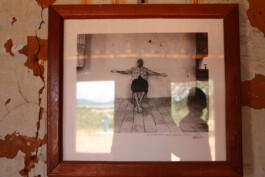
In February and March of 2026, I took a trip through the backlands of Bahia and Pernambuco. An atypical journey for me, because I wasn't going alone, I was carrying my baby, who was six months along and turning seven, in my belly. The intention was to investigate the legends of the São Francisco River, the third largest in Brazil, which sustains the Brazilian Northeast. Due to its immense volume of water, it has always been a territory in dispute. Mainly because much of the region surrounding it has the dry biome of the caatinga—it is the Brazilian semi-arid region, which has been undergoing a process popularly called desertification, although the more appropriate term would be aridification. Deforestation in the Amazon rainforest reduces the arrival of moisture in the semi-arid region, where the soil becomes even drier, leading to smaller harvests. So much so that many families have given up farming their plots in the most affected cities, such as Juazeiro and Mossoró. These are subtle effects of climate change.
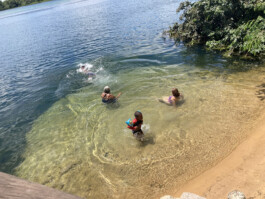
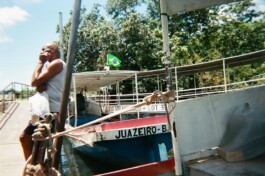
The initial intention of the trip was to spend a few days in Juazeiro and Petrolina, and then gradually head up through the backlands of Pernambuco until reaching the Quilombo Conceição das Crioulas, which is located in the Central Backlands of Pernambuco, near the city of Salgueiro. It was in this quilombo that I had my first contact with and enchantment for the backlands in 2017 (see the project "Much Future for a Single Memory," here: https://anahupe.com/a-lot-of-future-for-one-single-memory/). The juxtaposition is curious: the abundance of water from the Opará, the Indigenous name for the São Francisco River, against the absolute lack of water in the caatinga: the cacti, the goats, the ox skeletons, the scrubland vegetation: everything that forms a collective body of resistance. Arriving in Juazeiro, the hometown of João Gilberto, members of Novos Baianos, and also Ivete Sangalo, I realized there was much more to discover than I had mapped out, and I ended up staying nearly ten days in the city, constantly crossing the bridge to Petrolina, located in Pernambuci, meeting artists, fishermen, community leaders, historical archives, museums, and, of course, taking many dips at Ilha do Fogo, the island beneath the bridge between Juazeiro and Petrolina, steeped in legends. It was a way to endure the backlands' heat.
After hearing many stories about how the river began to die following the installation of the Sobradinho Dam during the Brazilian military dictatorship in 1974, I managed a ride there with the artist Sarah Hallelujah, who has been teaching at UNIVASF, Juazeiro, for thirteen years. From the top of the dam, the São Francisco takes on the dimensions of an Ocean. It left an impression of infinity similar to what I felt on the rivers of the Amazon. The plaques around the dam extol an idea of progress, of pride in the energy generated for the country, a combination of nature and science. Unfortunately, the wealth that the river overflows sometimes does not reach those closest to it: the riverine communities suffer from a lack of variety and quantity of fish and all the other changes since the construction of Sobradinho, which displaced many people from their homes.
Talking to Laís Lino, who directs the Maria Franca Pires Archive at UNEB (University of the State of Bahia), I became aware of another dimension of the dam: the impossibility for displaced populations to care for their dead. It is possible to rid yourself of the materiality of your home, of your belongings, but there is no way to recover the resting place of your dead. You can no longer hold vigils where they were left. Perhaps that is why the processions of the penitents—an ancient Jesuit custom, said to date back to the 17th century in the region—are still observed during Lent in Juazeiro in 2026. It so happened that my stay in the city coincided with the period between Carnival and Easter. I followed one of the still-active brotherhoods of penitents, coordinated by Dona Nenezinha, 86 years old. The brotherhood today has about 22 members and sets out from her house to the cemetery on Mondays, Wednesdays, and Fridays until Holy Week, when the ritual is repeated every day, ending on Good Friday. Along the way, the procession stops at various points to honor their dead, paying penance for those who passed suddenly, without having time to ask forgiveness for their sins.
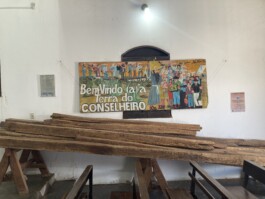
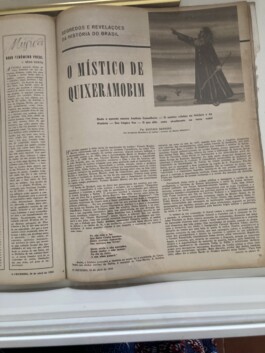
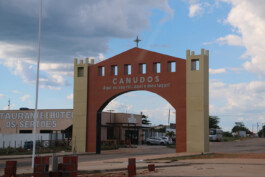
After ten days in Juazeiro, I continued my journey to Canudos, which is also in the backlands of Bahia and is nationally known for its history of resistance. In 1893, a few years after the official abolition of slavery, Antonio Conselheiro, a fervent Catholic and communist, gathered a legion of exploited workers with the promise of a more dignified communal life for everyone. He founded the "Arraial de Belo Monte", in todays' Canudos. The alternative community, that had their own money, and did not depend on the jobs in the plantations, began to pose too great a threat to the order of the local landowners, who organized politically and, after many casualties and having to call on the national army, managed to destroy Canudos, displaying Conselheiro's head in a public square. This history remains a mark of Canudos to this day, where the descendants of the former Canudos dwellers organize their stories in various cultural centers, such as the IPMC, the Popular Memorial Institute of Canudos. The two days in Canudos were truly revolutionary—a chapter of the country's history of resistance that I was able to walk through. From there, I went to Recife, where little Lea's last adventure inside the belly came to an end.
Here you can follow a bit of the research trip, made possible by the travel grant "Künstlerkontakte 2025" by IFA, Institut für Auslandsbeziehungen, Germany.


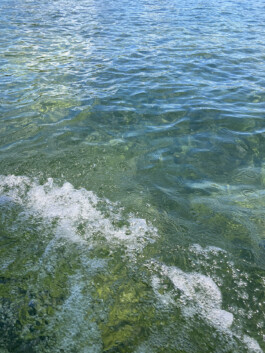
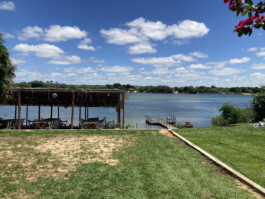
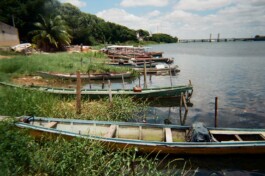
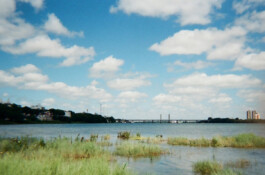
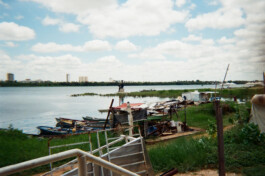
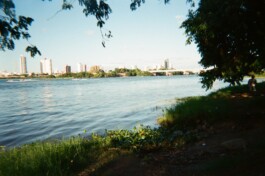
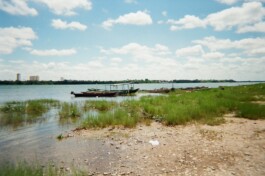
São Francisco River seen from the fishermen's community in the neighborhood of Angari, Juazeiro, Bahia, Brazil
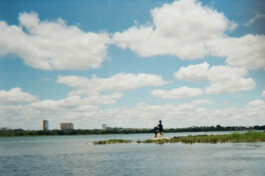
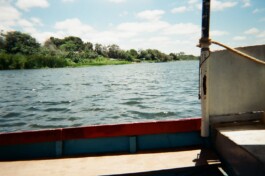
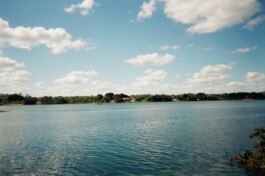
São Francisco River
Some say the São Francisco River, the third longest in Brazil, is no longer wild.
It’s true that it has been heavily tamed by the construction of hydroelectric plants and the Sobradinho Dam (BA), built during the dictatorship in 1974, which created one of the largest reservoirs in the world. The fishermen themselves say the river is dying, as they notice the lack of fish diversity. Many species couldn’t leap over the dam, while others were poisoned by chemicals from factories.
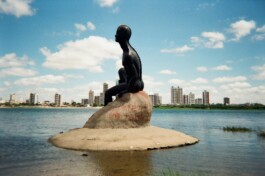
But the spirits of the river remain alive, at least in the people’s stories. One of them is Nego D’ Água.
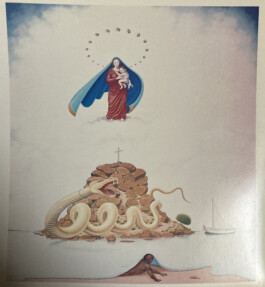
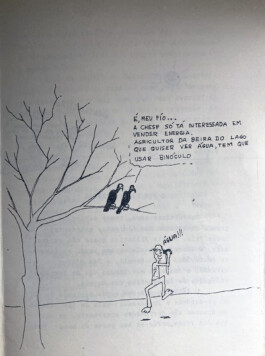
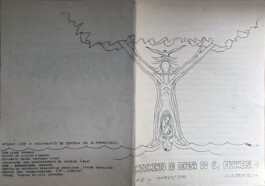
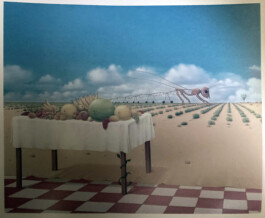
I stood by the banks of this still very magical river listening to these legends. Here, I share an excerpt from Coelhão’s first-person encounter with Nego d’ Água, as well as a bit of one of the surrealist paintings made by him, this immense artist from Juazeiro (in the Bahian sertão), who merges the dry landscape of the Caatinga with the waters of the Velho Chico.
Thank you @ifa.visualarts for the research trip


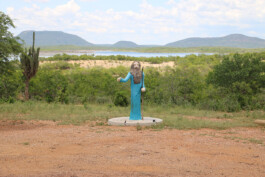
Sculpture of Nego D'Água in the community of Angari, on the banks of the São Francisco River, Juazeiro, Bahia.
Images of surrealist paintings and drawings for social and ecological movements in Juazeiro, Bahia, by artist Coelhão.


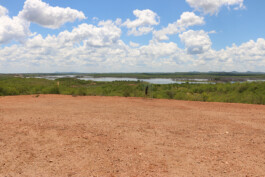
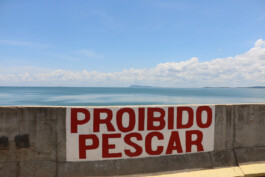
Sobradinho Dam (Barragem do Sobradinho), Bahia
The last wild european are in a region called "The Blue Heart of Europe," in Eastern Europe. Some of these rivers flow through Albania — I learned this while listening to a group of artists from there at the symposium "Songs of Serpents" at the Akademie der Künste, Berlin. Just imagine: the rest of European rivers are all domesticated!
It's a development model that reverberates around the world. It reminded me of the Sobradinho Dam in the sertão (backlands) of Bahia, an immense structure built in 1974, which created the largest water reservoir in Brazil and is celebrated as the "Largest artificial lake in Latin America." The dam turned the São Francisco River into its pet, wiping out fish species, displacing populations, degrading the soil — local losses in the name of national progress.
Even so, the São Francisco River continues to shine.
Thank you for the trip to the dam in the inspiring company of the artist @sarahhallelujah.


Leleco (Elenil de Souza) is one of the oldest fishermen in the community of Angari, in Juazeiro, in the sertão region of Bahia. He lives on the banks of the São Francisco River and has been fishing there since he was a child. In this conversation, he shares the changes he has notice on the river over the past fifty years. He talks about his encounter with Nego D’água, a great entity of the São Francisco River; about the changes in the quantity and variety of fish since the construction of the Sobradinho Dam in 1974; and about how the river is dying, yet it is still able to give strength to those who depend on it.
Conversation with Ana Hupe, March 2026.
Ilha do Massangano (Massangano Island), Petrolina, Pernambuco.


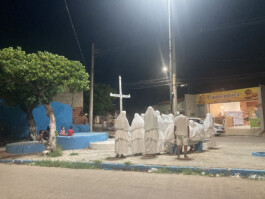
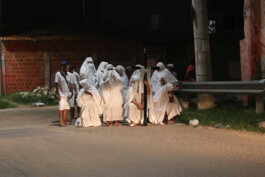
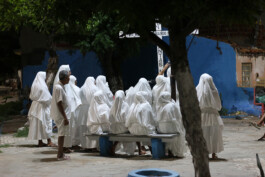
Procession line of penitents [Cordão dos penitentes], Juazeiro, Bahia.
Good Friday is the final procession of the “cordão” ("rope" or procession line of penitents) led by Dona Nenezinha, in Juazeiro, Bahia. The nourishing souls have walked throughout Lent — on Mondays, Wednesdays, and Fridays — all the way to the cemetery; on Good Friday this journey ends until the next year.
The penitents pray for the souls of those who died suddenly, by accident, and did not have time to ask for forgiveness for their sins. Dona Nenezinha’s cordão has existed in Juazeiro since 1901. The practice of these cordões was introduced by the Capuchins (of the Order of Saint Francis of Assisi) in the region as early as the 18th century. Today, few cordões remain. On the way to the cemetery, we encountered the other cordão still active today: that of the self-flagellants, men who sing, dance, and whip themselves in atonement for sins as part of a vow.


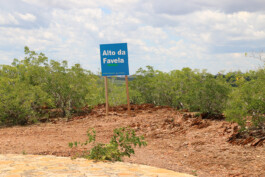
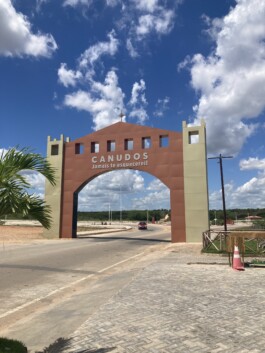
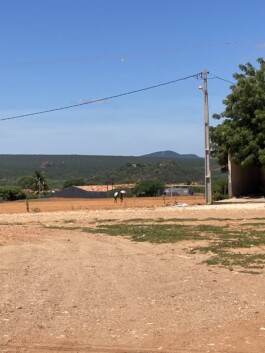
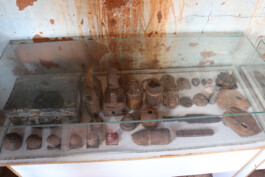
Canudos, Bahia


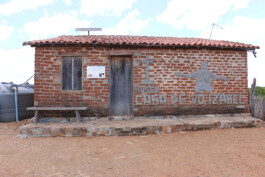
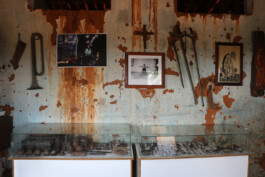
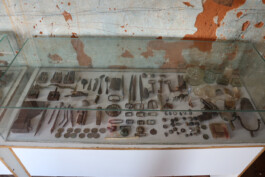
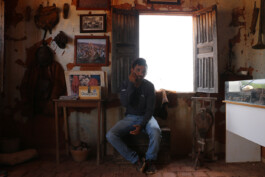
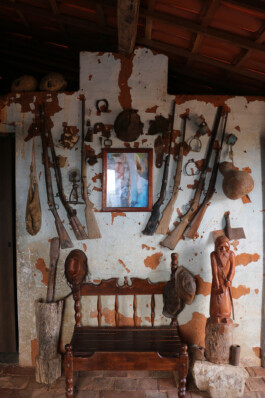
Museu Casa de Vó Isabel, Parque Estadual de Canudos, Bahia
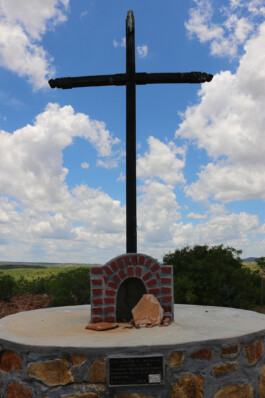
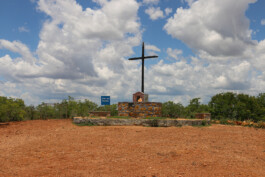
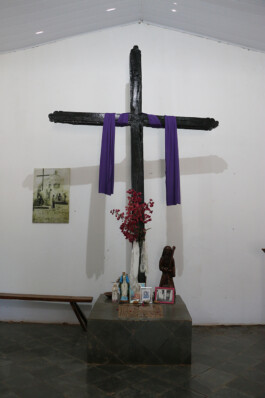
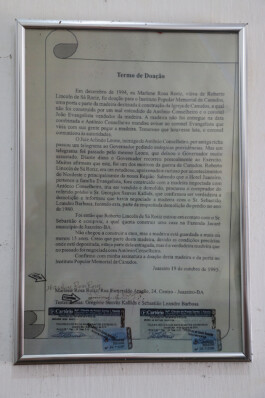
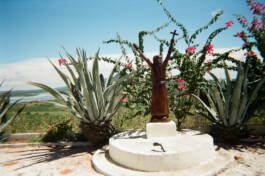
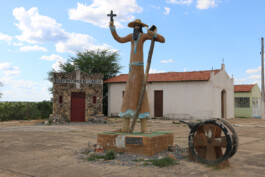
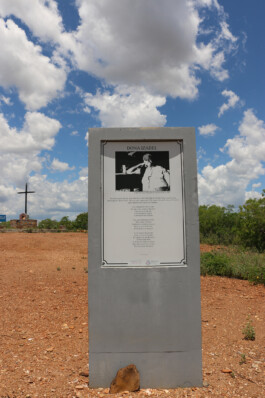
The cross of Canudos


Sertão: translating the mystic landscape
In February and March of 2026, I took a trip through the backlands of Bahia and Pernambuco. An atypical journey for me, because I wasn't going alone, I was carrying my baby, who was six months along and turning seven, in my belly. The intention was to investigate the legends of the São Francisco River, the third largest in Brazil, which sustains the Brazilian Northeast. Due to its immense volume of water, it has always been a territory in dispute. Mainly because much of the region surrounding it has the dry biome of the caatinga—it is the Brazilian semi-arid region, which has been undergoing a process popularly called desertification, although the more appropriate term would be aridification. Deforestation in the Amazon rainforest reduces the arrival of moisture in the semi-arid region, where the soil becomes even drier, leading to smaller harvests. So much so that many families have given up farming their plots in the most affected cities, such as Juazeiro and Mossoró. These are subtle effects of climate change.
The initial intention of the trip was to spend a few days in Juazeiro and Petrolina, and then gradually head up through the backlands of Pernambuco until reaching the Quilombo Conceição das Crioulas, which is located in the Central Backlands of Pernambuco, near the city of Salgueiro. It was in this quilombo that I had my first contact with and enchantment for the backlands in 2017 (see the project "Much Future for a Single Memory," here: https://anahupe.com/a-lot-of-future-for-one-single-memory/). The juxtaposition is curious: the abundance of water from the Opará, the Indigenous name for the São Francisco River, against the absolute lack of water in the caatinga: the cacti, the goats, the ox skeletons, the scrubland vegetation: everything that forms a collective body of resistance. Arriving in Juazeiro, the hometown of João Gilberto, members of Novos Baianos, and also Ivete Sangalo, I realized there was much more to discover than I had mapped out, and I ended up staying nearly ten days in the city, constantly crossing the bridge to Petrolina, located in Pernambuci, meeting artists, fishermen, community leaders, historical archives, museums, and, of course, taking many dips at Ilha do Fogo, the island beneath the bridge between Juazeiro and Petrolina, steeped in legends. It was a way to endure the backlands' heat.
After hearing many stories about how the river began to die following the installation of the Sobradinho Dam during the Brazilian military dictatorship in 1974, I managed a ride there with the artist Sarah Hallelujah, who has been teaching at UNIVASF, Juazeiro, for thirteen years. From the top of the dam, the São Francisco takes on the dimensions of an Ocean. It left an impression of infinity similar to what I felt on the rivers of the Amazon. The plaques around the dam extol an idea of progress, of pride in the energy generated for the country, a combination of nature and science. Unfortunately, the wealth that the river overflows sometimes does not reach those closest to it: the riverine communities suffer from a lack of variety and quantity of fish and all the other changes since the construction of Sobradinho, which displaced many people from their homes.
Talking to Laís Lino, who directs the Maria Franca Pires Archive at UNEB (University of the State of Bahia), I became aware of another dimension of the dam: the impossibility for displaced populations to care for their dead. It is possible to rid yourself of the materiality of your home, of your belongings, but there is no way to recover the resting place of your dead. You can no longer hold vigils where they were left. Perhaps that is why the processions of the penitents—an ancient Jesuit custom, said to date back to the 17th century in the region—are still observed during Lent in Juazeiro in 2026. It so happened that my stay in the city coincided with the period between Carnival and Easter. I followed one of the still-active brotherhoods of penitents, coordinated by Dona Nenezinha, 86 years old. The brotherhood today has about 22 members and sets out from her house to the cemetery on Mondays, Wednesdays, and Fridays until Holy Week, when the ritual is repeated every day, ending on Good Friday. Along the way, the procession stops at various points to honor their dead, paying penance for those who passed suddenly, without having time to ask forgiveness for their sins.
After ten days in Juazeiro, I continued my journey to Canudos, which is also in the backlands of Bahia and is nationally known for its history of resistance. In 1893, a few years after the official abolition of slavery, Antonio Conselheiro, a fervent Catholic and communist, gathered a legion of exploited workers with the promise of a more dignified communal life for everyone. He founded the "Arraial de Belo Monte", in todays' Canudos. The alternative community, that had their own money, and did not depend on the jobs in the plantations, began to pose too great a threat to the order of the local landowners, who organized politically and, after many casualties and having to call on the national army, managed to destroy Canudos, displaying Conselheiro's head in a public square. This history remains a mark of Canudos to this day, where the descendants of the former Canudos dwellers organize their stories in various cultural centers, such as the IPMC, the Popular Memorial Institute of Canudos. The two days in Canudos were truly revolutionary—a chapter of the country's history of resistance that I was able to walk through. From there, I went to Recife, where little Lea's last adventure inside the belly came to an end.
Here you can follow a bit of the research trip, made possible by the travel grant "Künstlerkontakte 2025" by IFA, Institut für Auslandsbeziehungen, Germany.


São Francisco River seen from the fishermen's community in the neighborhood of Angari, Juazeiro, Bahia, Brazil
São Francisco River
Some say the São Francisco River, the third longest in Brazil, is no longer wild.
It’s true that it has been heavily tamed by the construction of hydroelectric plants and the Sobradinho Dam (BA), built during the dictatorship in 1974, which created one of the largest reservoirs in the world. The fishermen themselves say the river is dying, as they notice the lack of fish diversity. Many species couldn’t leap over the dam, while others were poisoned by chemicals from factories.
But the spirits of the river remain alive, at least in the people’s stories. One of them is Nego D’ Água.
I stood by the banks of this still very magical river listening to these legends. Here, I share an excerpt from Coelhão’s first-person encounter with Nego d’ Água, as well as a bit of one of the surrealist paintings made by him, this immense artist from Juazeiro (in the Bahian sertão), who merges the dry landscape of the Caatinga with the waters of the Velho Chico.
Thank you @ifa.visualarts for the research trip


Sculpture of Nego D'Água in the community of Angari, on the banks of the São Francisco River, Juazeiro, Bahia.
Images of surrealist paintings and drawings for social and ecological movements in Juazeiro, Bahia, by artist Coelhão.



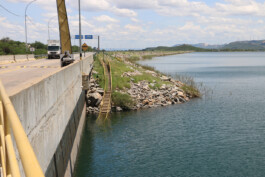
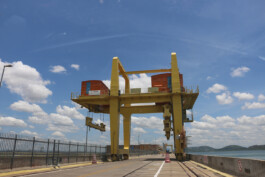
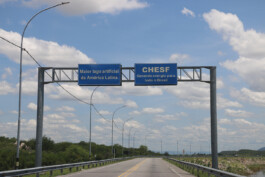
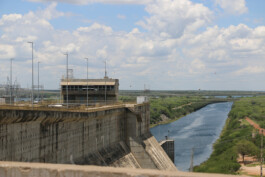
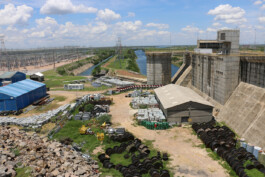
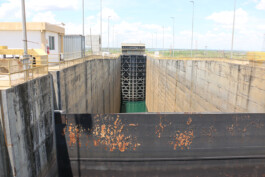
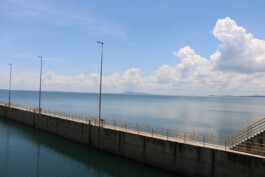
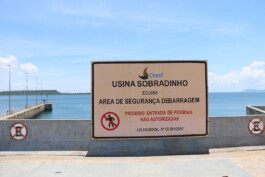
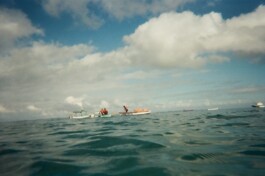
Sobradinho Dam (Barragem do Sobradinho), Bahia
The last wild european are in a region called "The Blue Heart of Europe," in Eastern Europe. Some of these rivers flow through Albania — I learned this while listening to a group of artists from there at the symposium "Songs of Serpents" at the Akademie der Künste, Berlin. Just imagine: the rest of European rivers are all domesticated!
It's a development model that reverberates around the world. It reminded me of the Sobradinho Dam in the sertão (backlands) of Bahia, an immense structure built in 1974, which created the largest water reservoir in Brazil and is celebrated as the "Largest artificial lake in Latin America." The dam turned the São Francisco River into its pet, wiping out fish species, displacing populations, degrading the soil — local losses in the name of national progress.
Even so, the São Francisco River continues to shine.
Thank you for the trip to the dam in the inspiring company of the artist @sarahhallelujah.


Leleco (Elenil de Souza) is one of the oldest fishermen in the community of Angari, in Juazeiro, in the sertão region of Bahia. He lives on the banks of the São Francisco River and has been fishing there since he was a child. In this conversation, he shares the changes he has notice on the river over the past fifty years. He talks about his encounter with Nego D’água, a great entity of the São Francisco River; about the changes in the quantity and variety of fish since the construction of the Sobradinho Dam in 1974; and about how the river is dying, yet it is still able to give strength to those who depend on it.
Conversation with Ana Hupe, March 2026.
Ilha do Massangano (Massangano Island), Petrolina, Pernambuco.
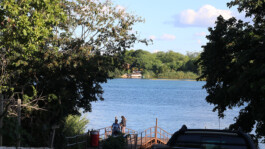


Procession line of penitents [Cordão dos penitentes], Juazeiro, Bahia.
Good Friday is the final procession of the “cordão” ("rope" or procession line of penitents) led by Dona Nenezinha, in Juazeiro, Bahia. The nourishing souls have walked throughout Lent — on Mondays, Wednesdays, and Fridays — all the way to the cemetery; on Good Friday this journey ends until the next year.
The penitents pray for the souls of those who died suddenly, by accident, and did not have time to ask for forgiveness for their sins. Dona Nenezinha’s cordão has existed in Juazeiro since 1901. The practice of these cordões was introduced by the Capuchins (of the Order of Saint Francis of Assisi) in the region as early as the 18th century. Today, few cordões remain. On the way to the cemetery, we encountered the other cordão still active today: that of the self-flagellants, men who sing, dance, and whip themselves in atonement for sins as part of a vow.


Canudos, Bahia
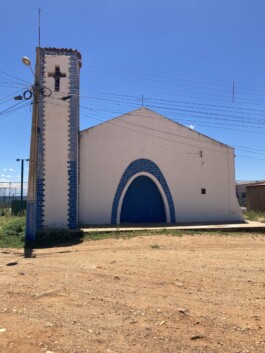


Museu Casa de Vó Isabel, Parque Estadual de Canudos, Bahia
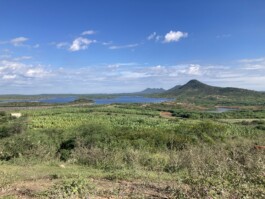
The cross of Canudos